

Repatriation, Museum Events, and Visitors: Seminar Report, Essay, and Websites
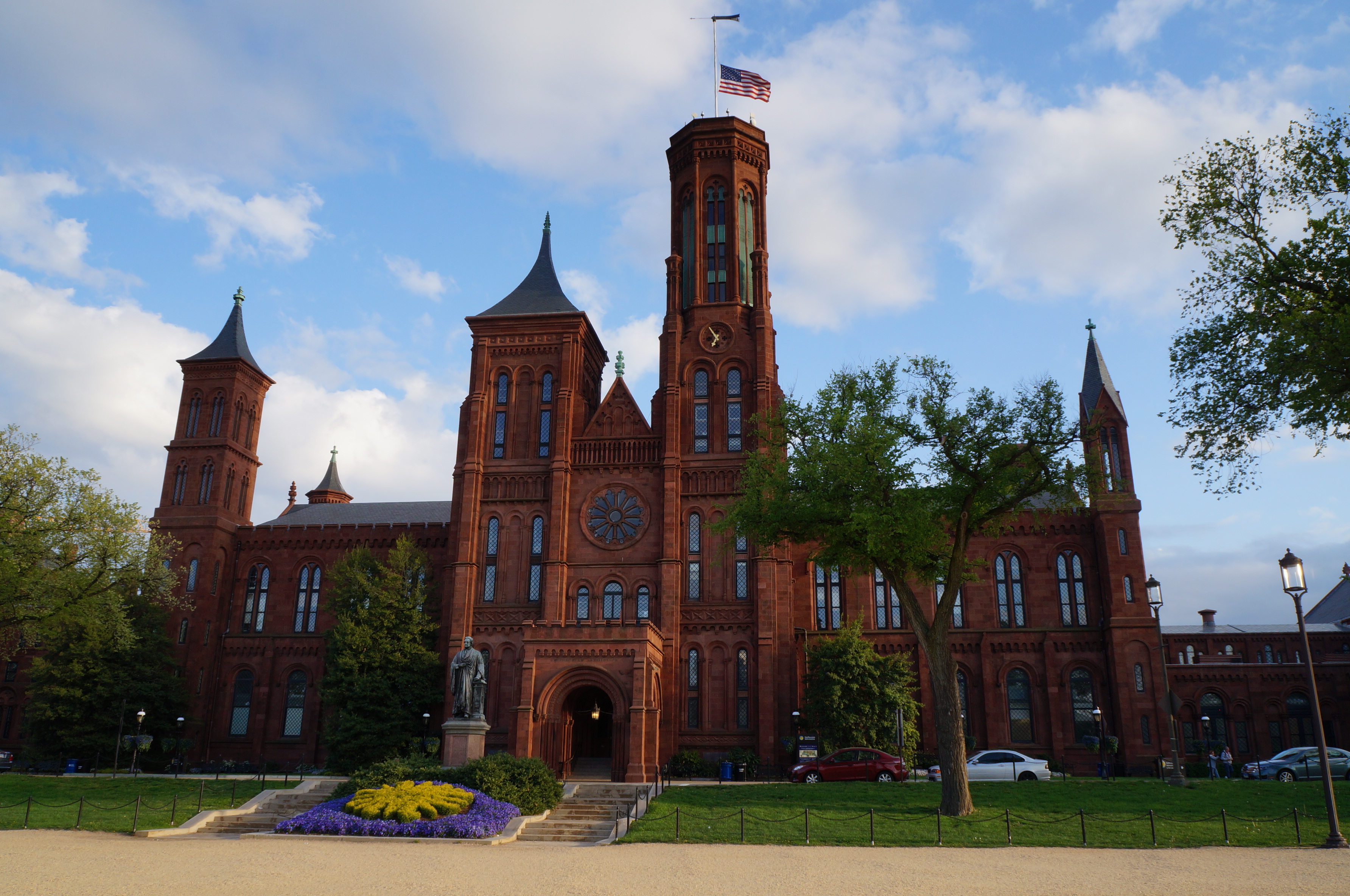
In November 2019, I participated in a four-day seminar titled “Transatlantic Seminar for Museum Curators and Educators: Museums as Spaces for Social Discourse and Learning.” The event was jointly organized by the German-American Fulbright Commission and the Leibniz Association, and hosted at the Smithsonian Institution in Washington, DC.
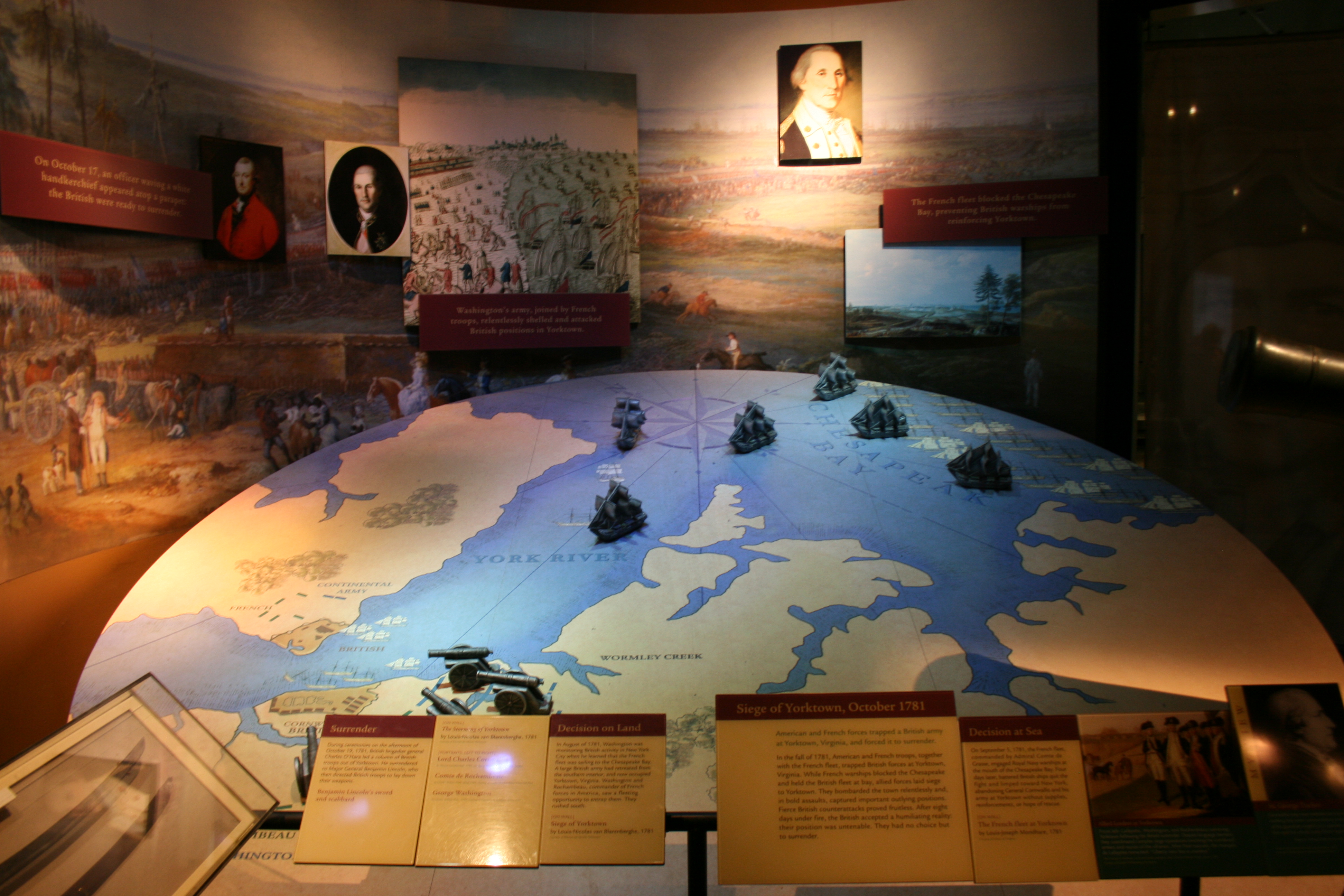
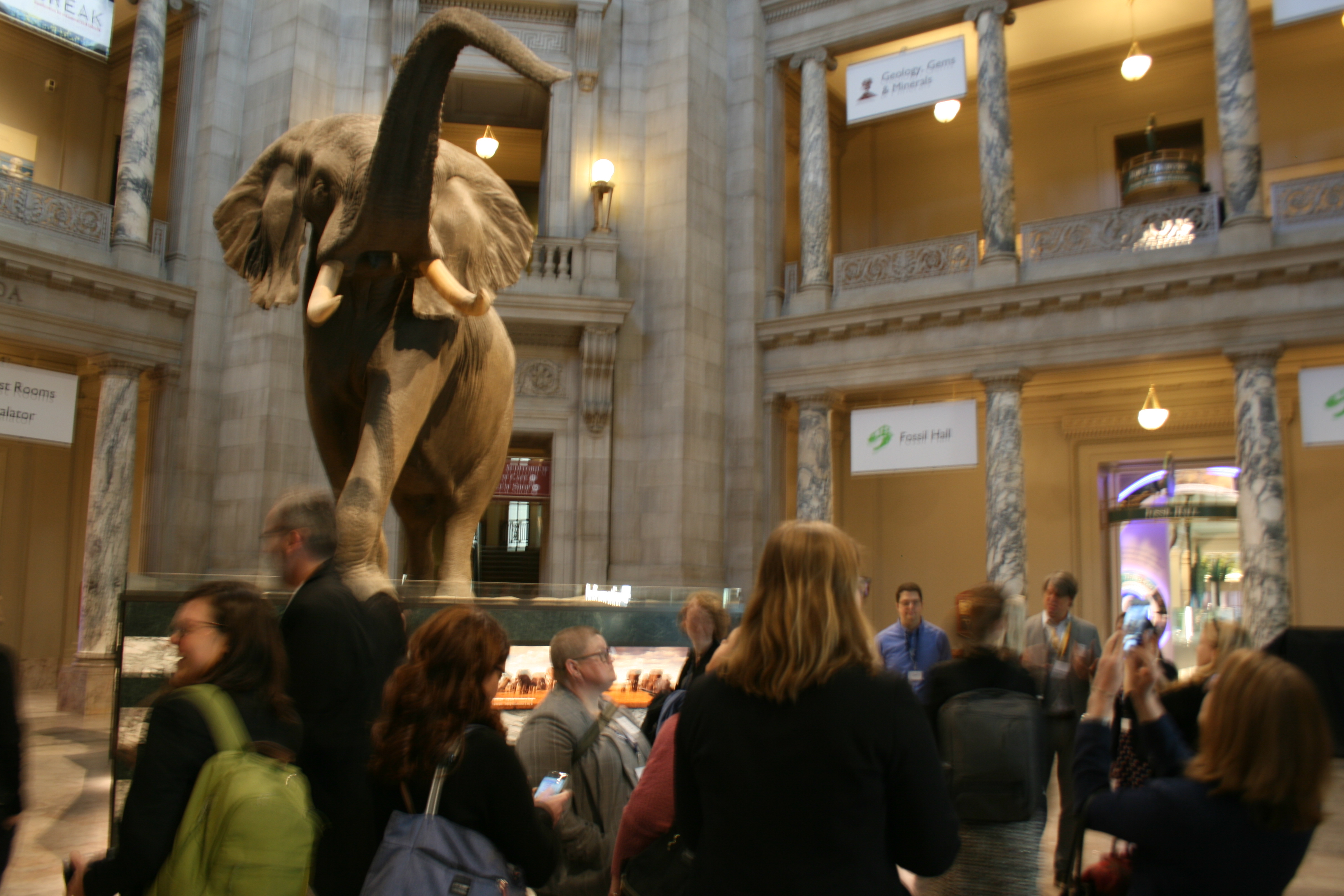
During the seminar, we touched upon a number of issues relevant for museums today, such as diversity, equity, accessibility, and inclusion (DEAI); visitor and non-visitor (!) studies, outreach and education, as well as repatriation and restitution. The group was very diverse in terms of their museum backgrounds – we had representatives from different museum departments, such as educators, curators, and program managers; and from various types of museums (large and small, private and public, natural history and history, technology, arts, local, and anthropology). As representatives from museums across Germany and the US, we always had the opportunity for transatlantic comparison and contextualization. We learned about other institutions as much as about ourselves in asking: what are the differences and parallels, the opportunities and challenges in museum and cultural politics in the US and Germany, in job descriptions and career development, in the organizational tables of our museums, as well as in our approaches to different topics?
At the end of these wonderfully enlightening and inspiring discussions, we formed groups to develop a number of analyses and best-practice interpretations. The result of this work was now published as a special issue of the Journal of Museum Education (46.1, 2021). I contributed to the group on repatriation.
In our article “Repatriation, Public Programming, and the DEAI Toolkit,” we share case studies in previous repatriations and the corresponding public programs from four museums: the Illinois State Museum in Springfield, the Carnegie Museum of Natural History in Pittsburgh, the German Historical Museum in Berlin, and the State Ethnographic Collections Saxony (Leipzig, Dresden, and Herrnhut) / State Art Collections Dresden. Two major takeouts from our work on the article are:
a) the realization that museums should expand their public programs around repatriation in order to better explain the contexts to local museum communities, as well as to integrate source communities (communities of implication) into the process, and
b) the fact that there is, as of now, little systematic research on public programming around repatriation – we argue that increased efforts and more research on repatriation-related events and education will improve the inclusiveness and accessibility of a museum, and strengthen its networks with both its local communities as well as with the source communities of its collections.
Here are links to various social media posts about the special edition of Journal of Museum Education: https://www.facebook.com/fulbrightgermany/photos/a.2042382882646796/2887745944777148/
While our seminar group worked on the article, my colleagues at the Department of Provenance Research and Restitutions at the GRASSI museum branch of SES further improved our outreach on repatriations and restitution: They opened an exhibition intervention to detail our repatriation efforts and the corresponding projects with source communities. They also launched a website to document these projects and to explain steps and challenges in the restitution process. A number of projects from the Americas, Australia, and the Pacific are already featured here, and more will be added in the future.
The regional broadcasting station MDR interviewed our director, Léontine Meijer-van Mensch, in early March to discuss the new website, as well as previous and ongoing repatriation processes.

Panel Discussion about the Capitol Riots, Cults, and Masquerade
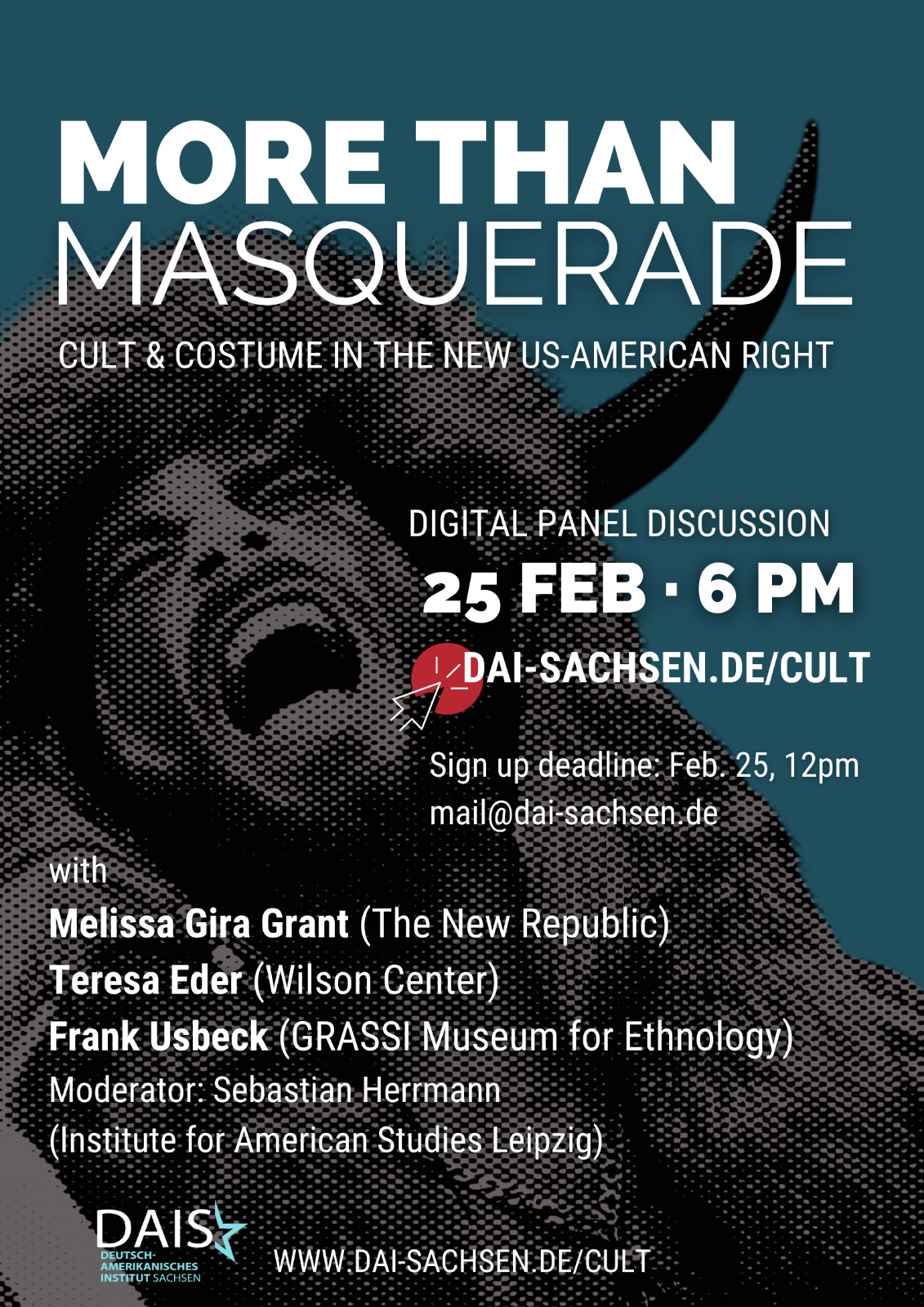
A few days ago, the German-American Institute Saxony (DAIS) held a live-streamed panel discussion on the Capitol riots. Together with moderator Sebastian M. Herrmann (American Studies Leipzig), the panelists, Melissa Gira Grant (The New Republic), Teresa Eder (Wilson Center) and I discussed the inconsistencies and an bizarre manifestations of the event, and contextualized it with the emergence of QAnon and the history of conspiracy theories in general. Considering bizarre costumes and the apparent “happening” character of the event, we asked in how far the protagonists take themselves seriously, and how the costumes play roles in group identity formation, as well as carry political messages. We also put the event in a transatlantic context and compared it with the rise of QAnon in Germany, especially their growing influence in German Covid-protests. In the context of cultural references, I pointed out that Indian imagery has long served to fuel anti-Americanism and xenophobia among the German extreme right and that co-victimization with Native Americans has become a staple feature among right-wing groups across Europe. This reference to “Indians” as the proverbial victims of “illegal immigration” occurs more and more in American anti-immigrant rhetoric as well, notably in the manifesto of the El Paso shooter (2019), and, in more abstract forms, in the bizarre costume of the “Q-Shaman.”
The discussion is available on the DAIS YouTube Channel.
 frankusbeck